Create a Multi-Use Corner Nook: A Step-by-Step Method for Small Homes
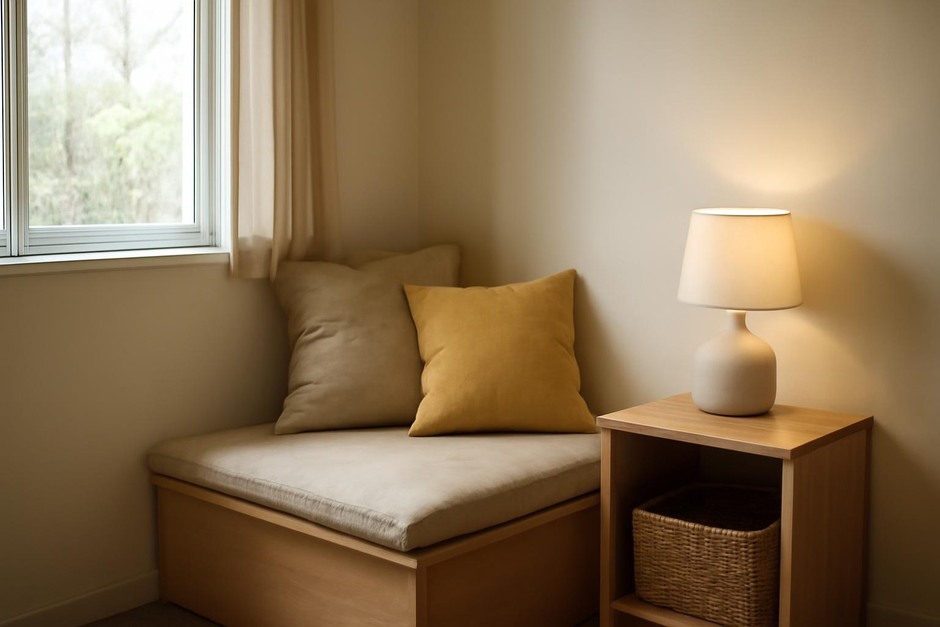
Introduction: what makes a good nook
A successful corner nook balances four simple principles: scale (fit the space), light (task and ambient), comfort (sit and linger), and storage (keep clutter out of sight). Below is a step-by-step method that applies those principles to a tiny alcove, hall corner, or end of a room. Each step includes a small example to show how the principle works in practice.
Step-by-step method
-
Measure and define the function.
Decide whether the nook will be for reading, a mini work spot, plant display, or a combination. Measure width, depth and height so furniture will fit without crowding circulation paths. Example: a 90 cm (35 in) wide corner can host a narrow bench with a 30 cm deep shelf above for books.
-
Prioritize scale: choose furniture to match the space.
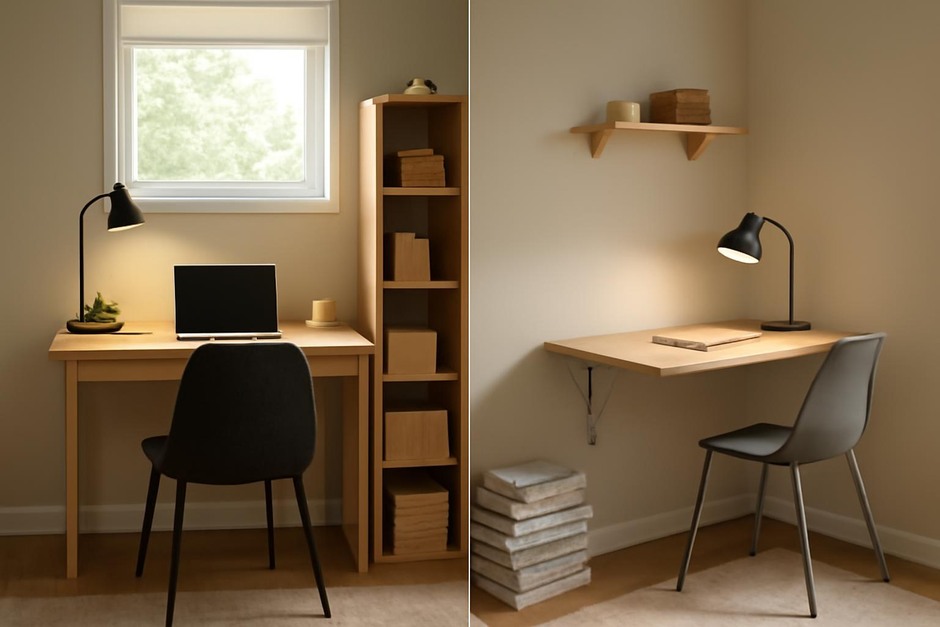
Opt for narrow, vertical, or modular pieces rather than full-sized furniture. Example: replace a standard armchair with a slim armless chair plus a wall-mounted fold-down table to save 30–40 cm of floor space.
-
Layer lighting: combine task and ambient sources.
Evenings feel cozier when you have a warm overhead glow and a focused lamp. Example: install a small wall sconce for general light and add an adjustable clamp lamp for reading—this keeps the floor clear and gives directed illumination.
-
Design for comfort: seat height, soft surfaces, and posture.
Use cushions, a lumbar pillow, and a footrest for longer sessions. Example: a bench with a 45 cm seat height and a 10 cm foam cushion provides supportive seating for reading and short work stints.
-
Integrate storage thoughtfully.
Hidden or vertical storage keeps the nook visually calm. Example: a bench with lift-up storage, a narrow vertical shelf, or two baskets under an open seat clears small objects while remaining accessible.
-
Add tactile and visual anchors.
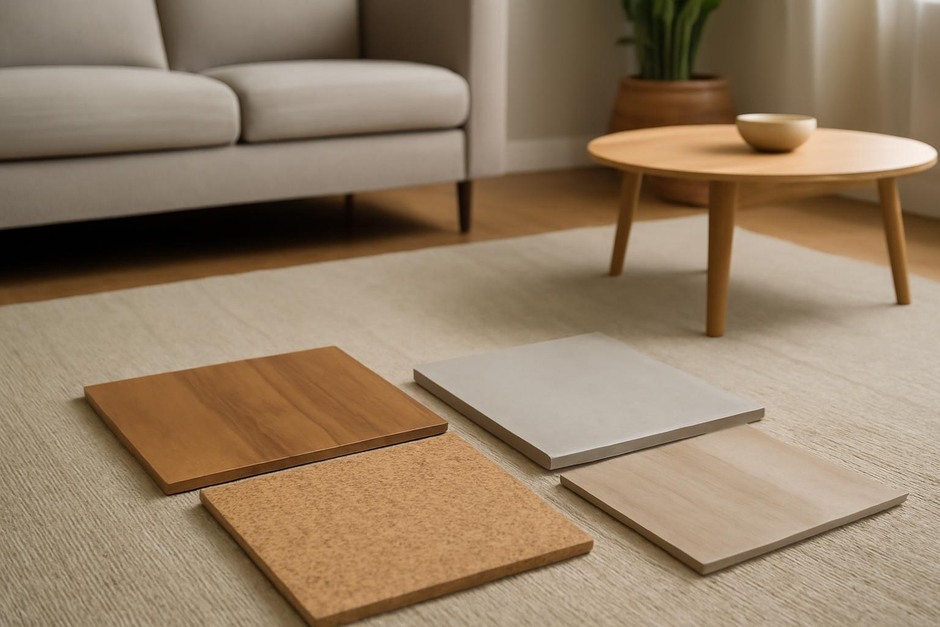
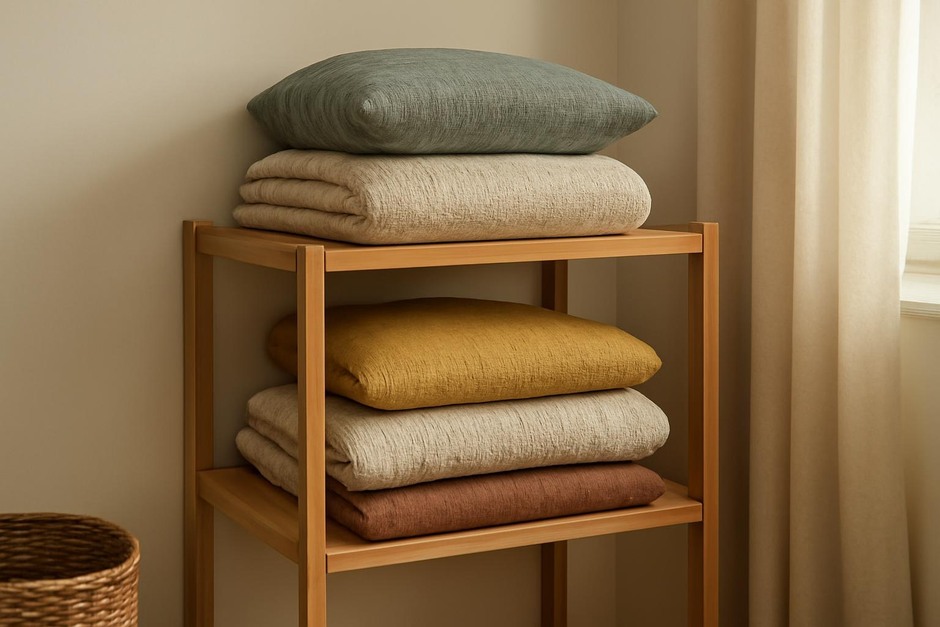
Textiles and one or two decorative items personalize the space without clutter. Example: a natural-fiber rug (50 x 80 cm) and a simple framed print anchor the nook within the room.
-
Test and adjust.
Spend a few sessions in the nook and notice what’s missing or excessive—more light, a taller back cushion, or a catch-all tray can be simple fixes.
Variations
Below are small variations that adapt the same principles to different uses. Each stays compact and easy to implement.
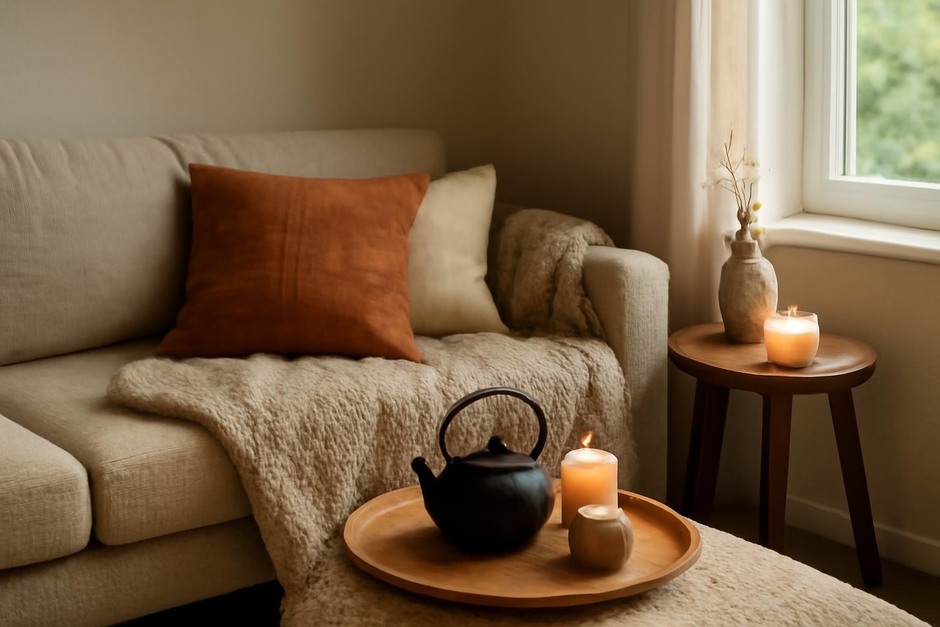
- Reading nook: Narrow bookshelf, wall sconce at eye level, a plush throw pillow and a small side table for tea. Use a shelf 20–25 cm deep to hold a modest book collection without protruding into the room.
- Mini workspace: Wall-mounted fold-down desk, a task lamp, and a slim cushion on an armless chair. Keep only essentials in a small drawer or a hanging organizer to maintain focus.
- Plant corner: Modular shelving with staggered heights for light access, a pebble tray for humidity, and a small stool for potting. Position plants by their light needs—sun lovers on the top shelf, shade-tolerant below.
- Meditation or calm spot: Floor cushion (zabuton-style) on a woven mat, soft ambient light, and a small shelf for a candle or a journal. Minimal visual stimuli help create a tranquil atmosphere.
Troubleshooting
-
The nook feels cramped:
Reassess scale. Remove one furniture piece or replace a bulky seat with a slim alternative. Use light-coloured textiles to visually enlarge the space.
-
Lighting is too harsh or too dim:
Swap bulbs to a warmer colour temperature (around 2700–3000K) for comfort. Add a dimmable lamp or a plug-in dimmer to tune levels for different uses.
-
Items pile up quickly:
Add a designated small bin or drawer and commit to a weekly five-minute tidy. Use vertical storage to keep surfaces clear and visible.
-
It doesn’t feel inviting:
Introduce one personal object (a favorite book, a houseplant, or a textured throw) and test different seating heights or cushion arrangements until it feels right.
-
Noise or distraction from the rest of the home:
Use a room-divider curtain or a tall plant to dampen sound and create a psychological boundary without heavy construction.
Final notes: iterate in small steps
Small corners reward small experiments. Try one change at a time—swap the lamp, then the cushion—so you can see what truly improves the nook. The guiding principles of scale, light, comfort and storage will keep each iteration purposeful and durable.